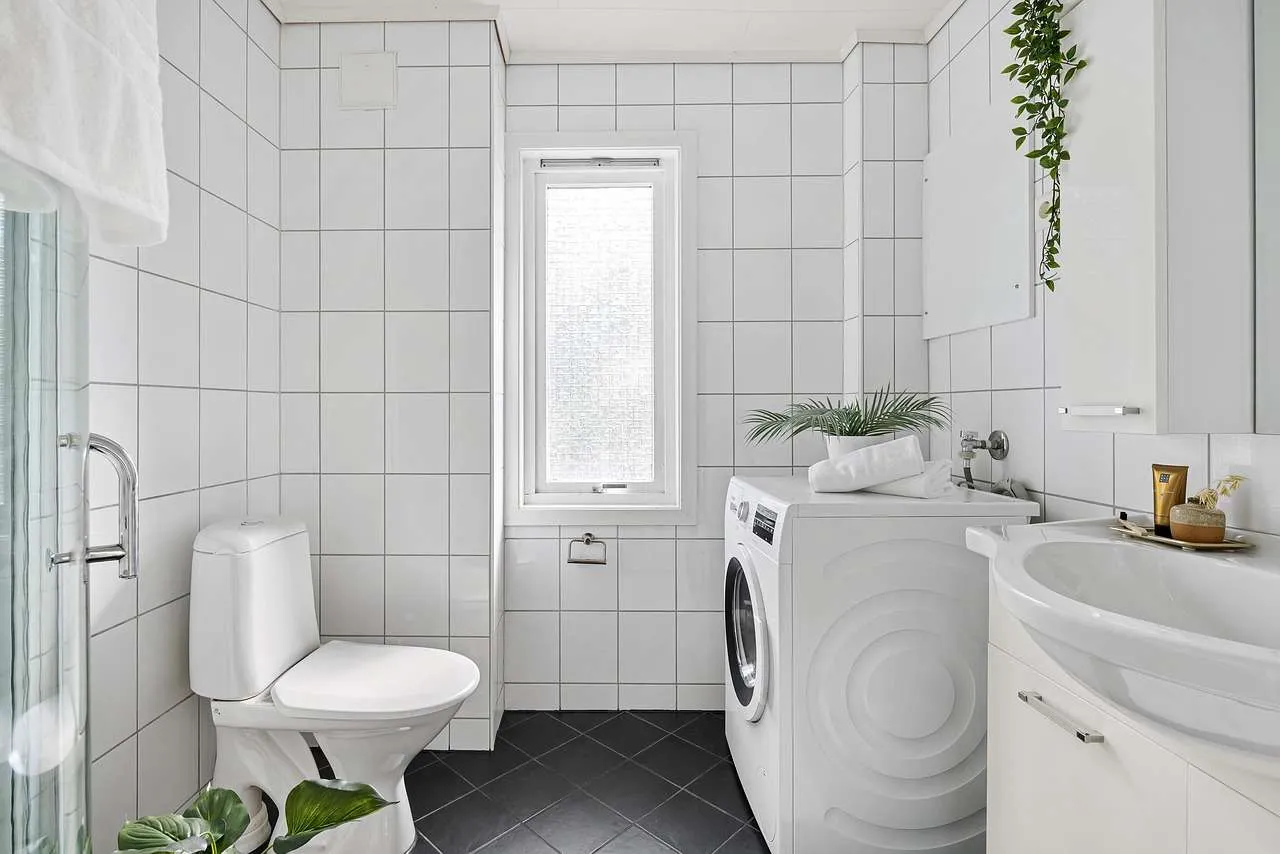
Small bathrooms present unique design challenges, from limited floor area to moisture and storage needs. With more than a decade shaping compact spaces, I know how to turn a small bath into a functional, calm, and stylish room. This guide shares proven small bathroom ideas that address layout, storage, lighting, and finishes, so you can enjoy a bathroom that feels larger than its actual size.
Smart Layouts for Small Bathrooms
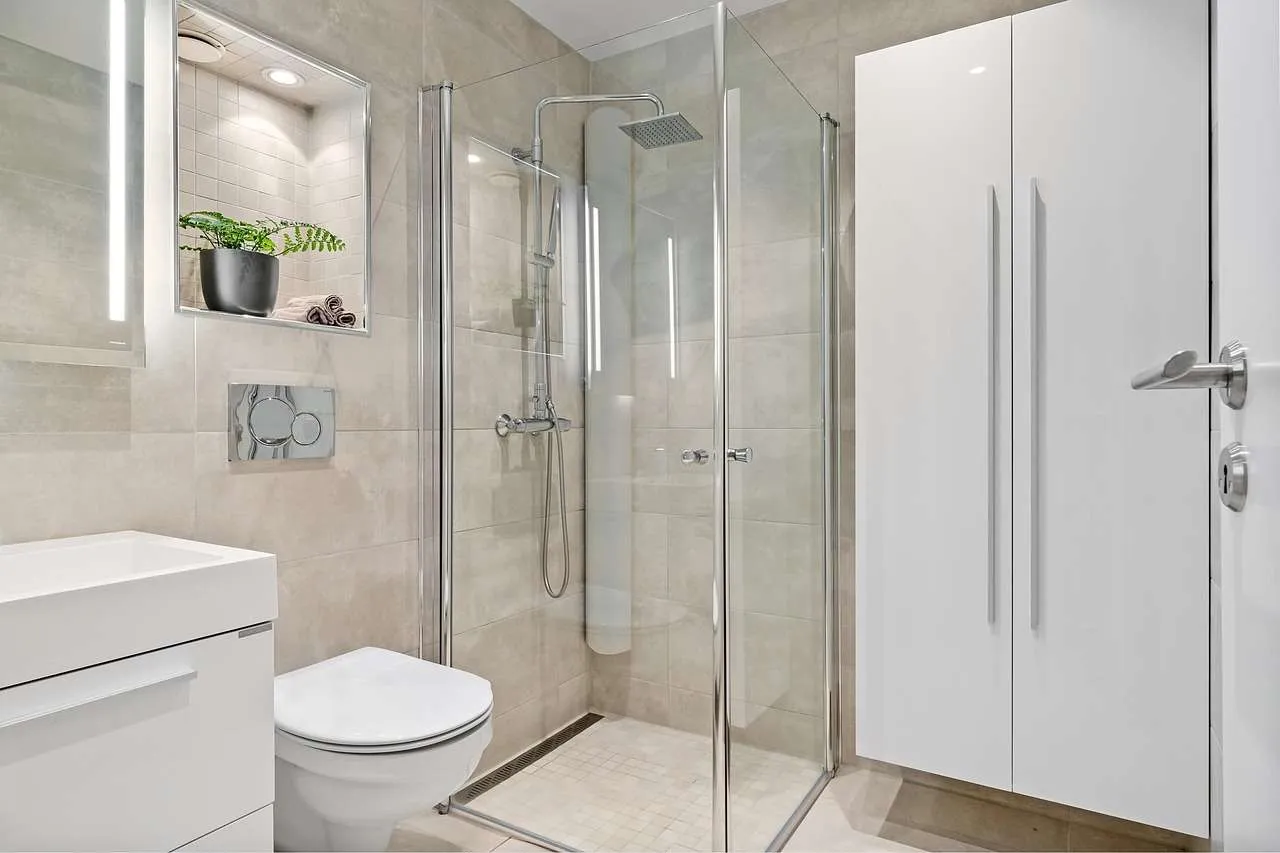
Efficient layouts are the backbone of a comfortable small bathroom. Start by measuring the space and prioritizing the elements you use most. If possible, replace a traditional hinged door with a pocket or barn door to reclaim floor space. Consider a corner or wall mounted sink to free under sink storage or create breathing room near the toilet. Where possible, favor a shower instead of a tub; a 30 inch by 60 inch stall can feel expansive with the right finishes and glass. For multiuse baths, a curbless shower with a single threshold creates a continuous line that visually expands the room.
- Prefer vertical space: install tall cabinets or open shelves above eye level to keep the floor clear.
- Use wall mounted fixtures to create the illusion of more space and easier cleaning.
- Choose a single dominant light source plus task lighting to avoid shadowy corners.
Storage Solutions That Transform
Storage is king in small bathrooms. Build smart into every inch by using recessed niches in the shower, a medicine cabinet with a slim profile, and a floating vanity with open space beneath for mop and basket storage. Over the toilet, install a tall narrow cabinet or floating shelves to store towels and daily essentials. Consider pullout baskets or organizers inside drawers to keep items accessible yet out of sight. If you must have a linen rack, choose a compact vertical unit rather than a bulky freestanding cabinet.
Color, Lighting, and Materials
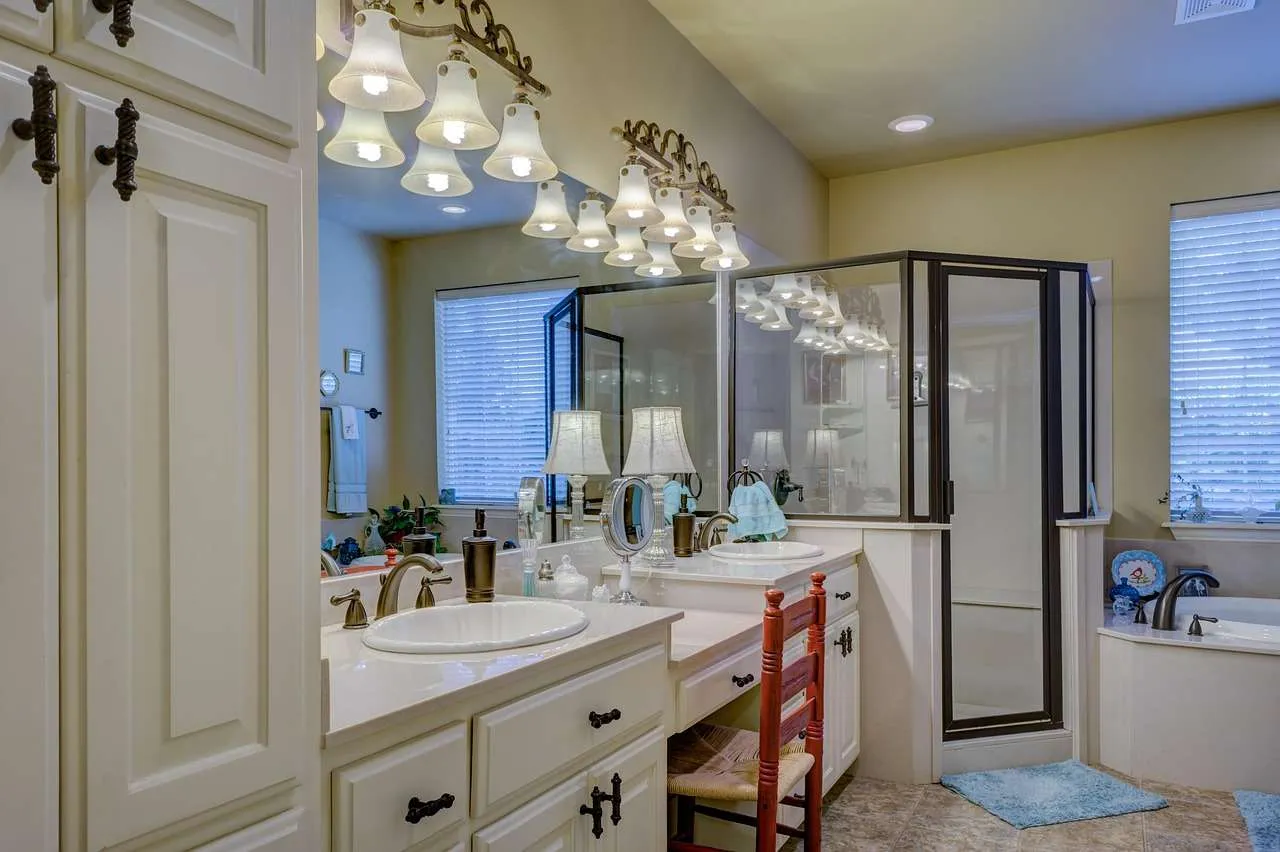
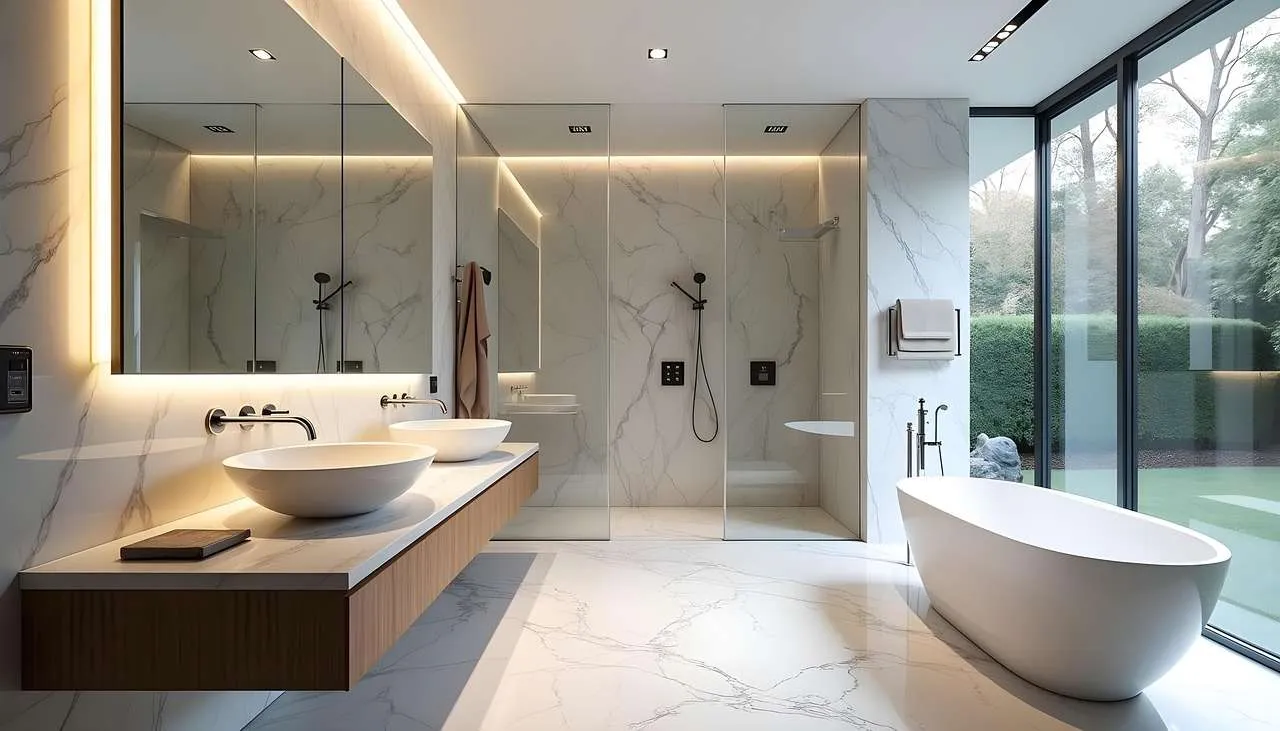
Light, bright colors visually expand a space. Radiate airiness with pale walls, large format tiles with minimal grout, and reflective surfaces such as high gloss tiles or a polished vanity. To avoid cold lighting, mix warm and neutral tones and add a mirror wall or large mirror to double the perceived size. Lighting should be layered: a ceiling fixture for general light, task lighting by the vanity, and a backlit mirror or cove lighting to soften reflections. Materials with low maintenance and moisture resistance, like porcelain, quartz, and tempered glass, help keep the space looking fresh longer.
Fixtures and Fittings That Save Space
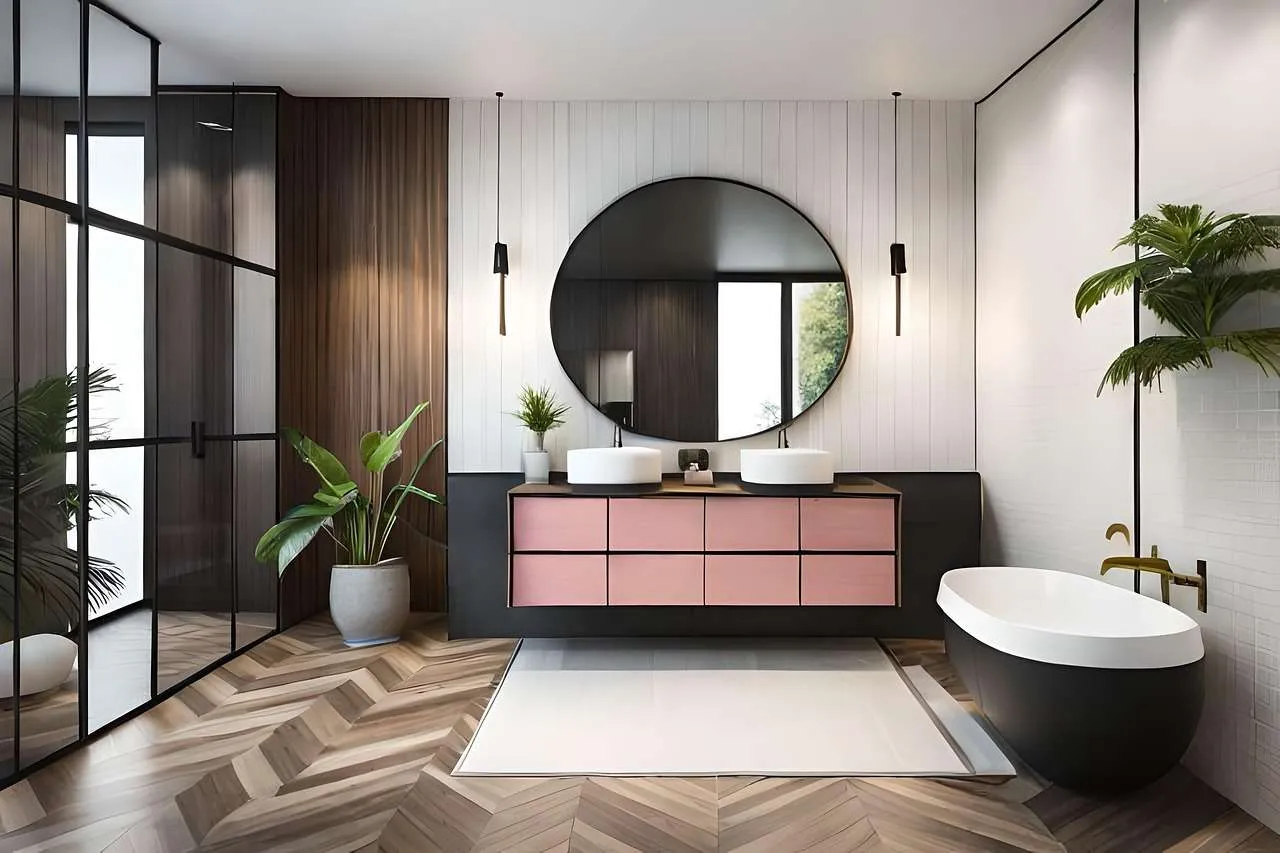
Choose space saving fixtures designed for small baths. Wall mounted or rounded sinks with slim profiles free up floor space. A compact or wall mounted toilet enhances clearance and allows more room for storage. For showers, a curved or sliding door can reduce door swing and visual obstruction. If a tub is essential, consider a shallow depth model or a short length tub with a shower over it. Glass enclosures should be clear and frameless to maintain openness, while matte black or brushed brass fixtures provide definition without heavy visual weight.
Mirrors, Accessories, and Visual Tricks
Mirrors dramatically affect perceived space. A large mirror above the vanity reflects light and creates depth. Consider mirrored cabinet doors to combine storage with reflection. Use frameless or slim framed mirrors to maintain clean lines. Add vertical elements such as tall niches or column storage to draw the eye upward, making the ceiling feel higher. Keep accessories minimal and cohesive in finish to avoid visual clutter that makes a small bath feel chaotic.
Budget, Planning, and DIY vs Pro
Small bathroom projects can be affordable if you plan in stages. Start with essential improvements such as improved lighting, storage, and a surface refresh. Budget for professional plumbing or electrical work only when necessary, but do not shortcut safety critical tasks. Prioritize weatherproof finishes and moisture resistant materials. A phased remodel lets you spread costs while evaluating what truly improves daily use, then invest in high impact updates like glass shower enclosures or a new vanity as funds permit.
Comparison Table: Space Saving Ideas vs Traditional Solutions
| Idea | Pros | Cons | Best For |
|---|---|---|---|
| Floating vanity with open under space | Creates sense of floor area, easy to clean | Limited closed storage | Powder baths and tight corners |
| Pocket door | Eliminates door swing interference | Requires wall cavity and skilled install | Very narrow doors |
| Walk in shower with clear glass | Visual openness, accessibility | Higher initial cost | Main shower area |
| Recessed niches in shower wall | Built in storage, reduces clutter | Complex tiling | Shower zone |
Conclusion
Summary of key ideas: small bathroom ideas thrive on smart layouts, clever storage, and light filled finishes. Use vertical storage, compact fixtures, and reflective surfaces to maximize space, while maintaining a calm, cohesive style. With careful planning, even the smallest bath can feel generous, functional, and stylish.