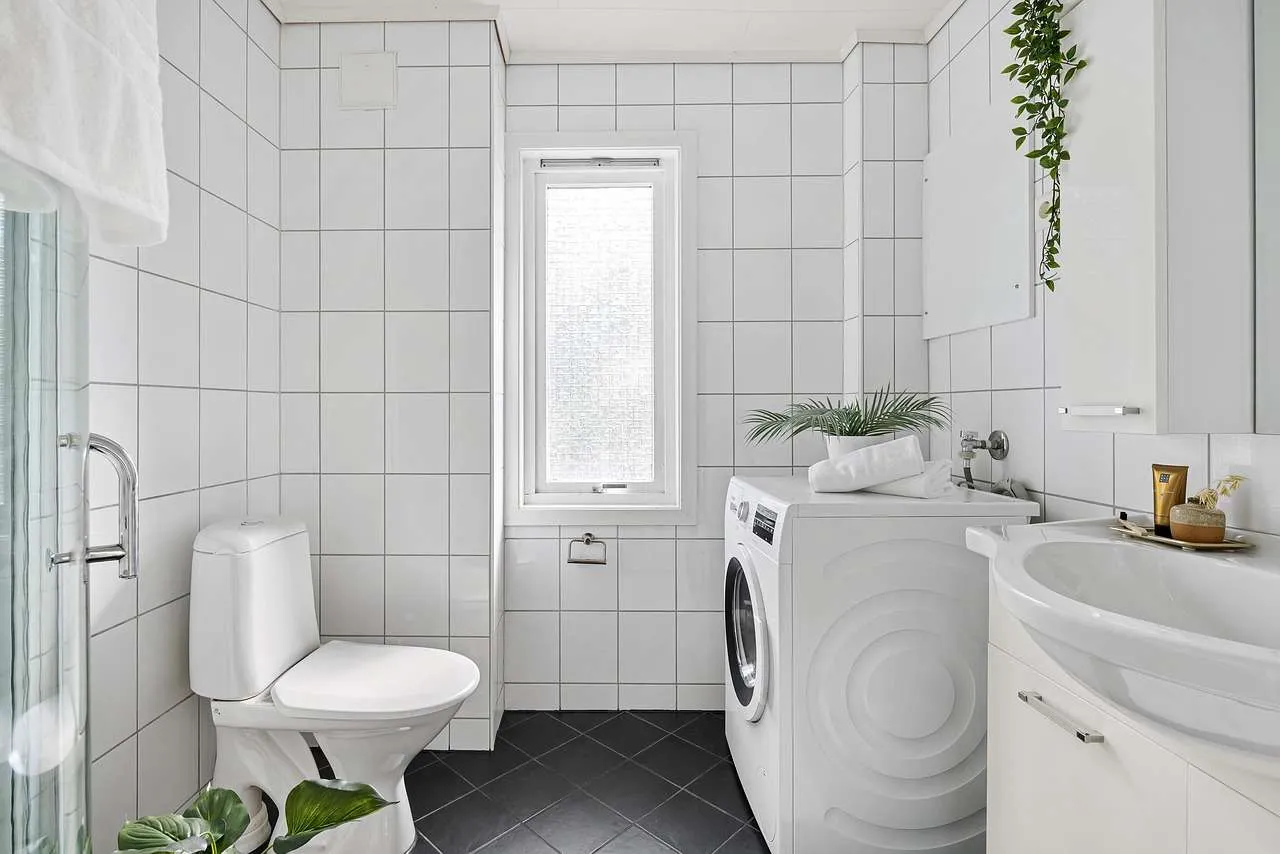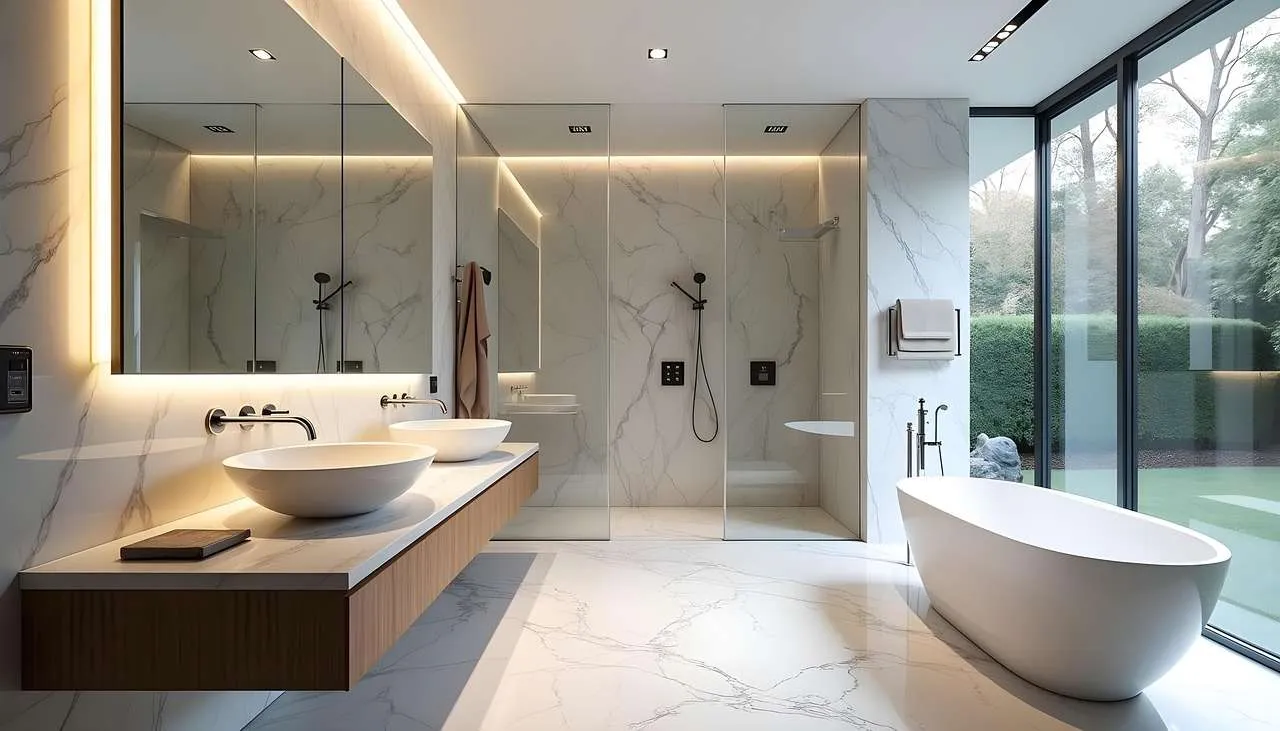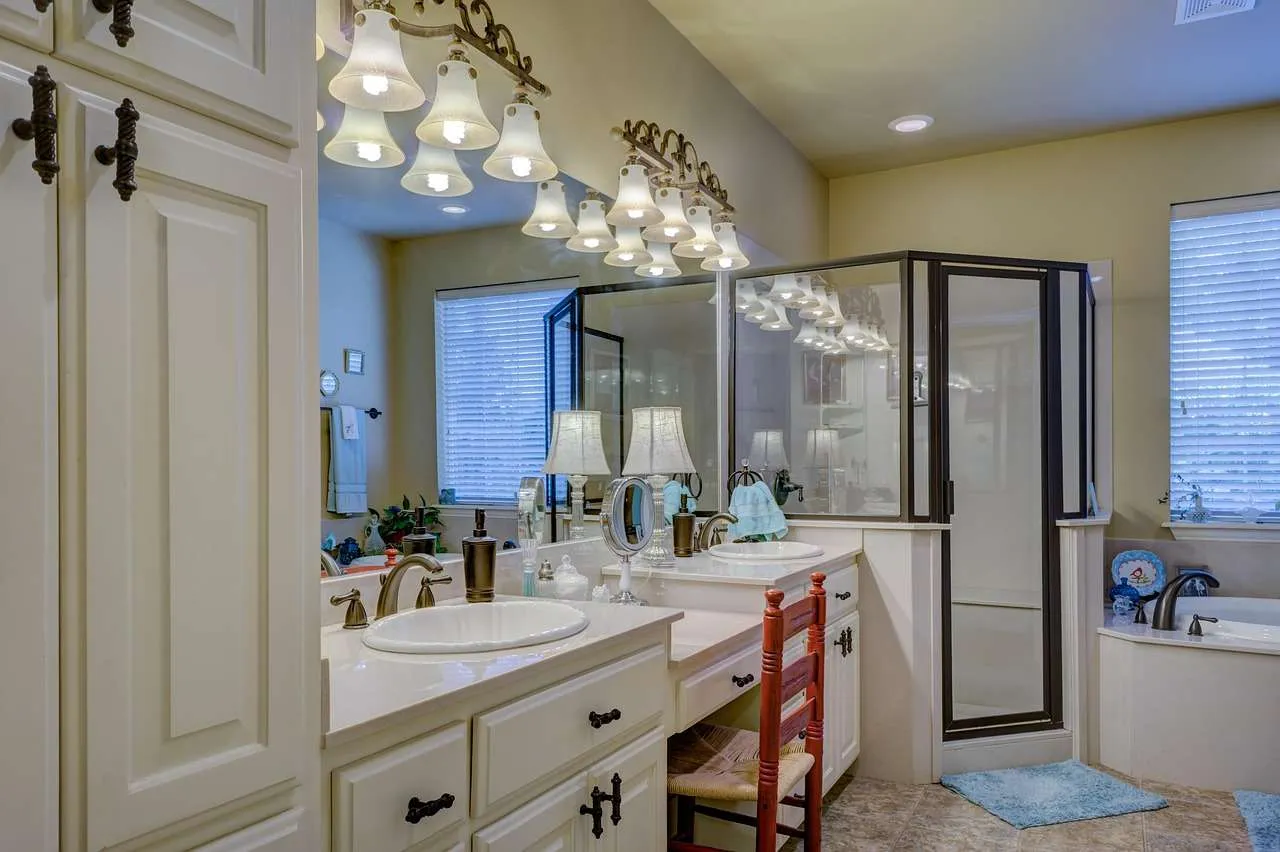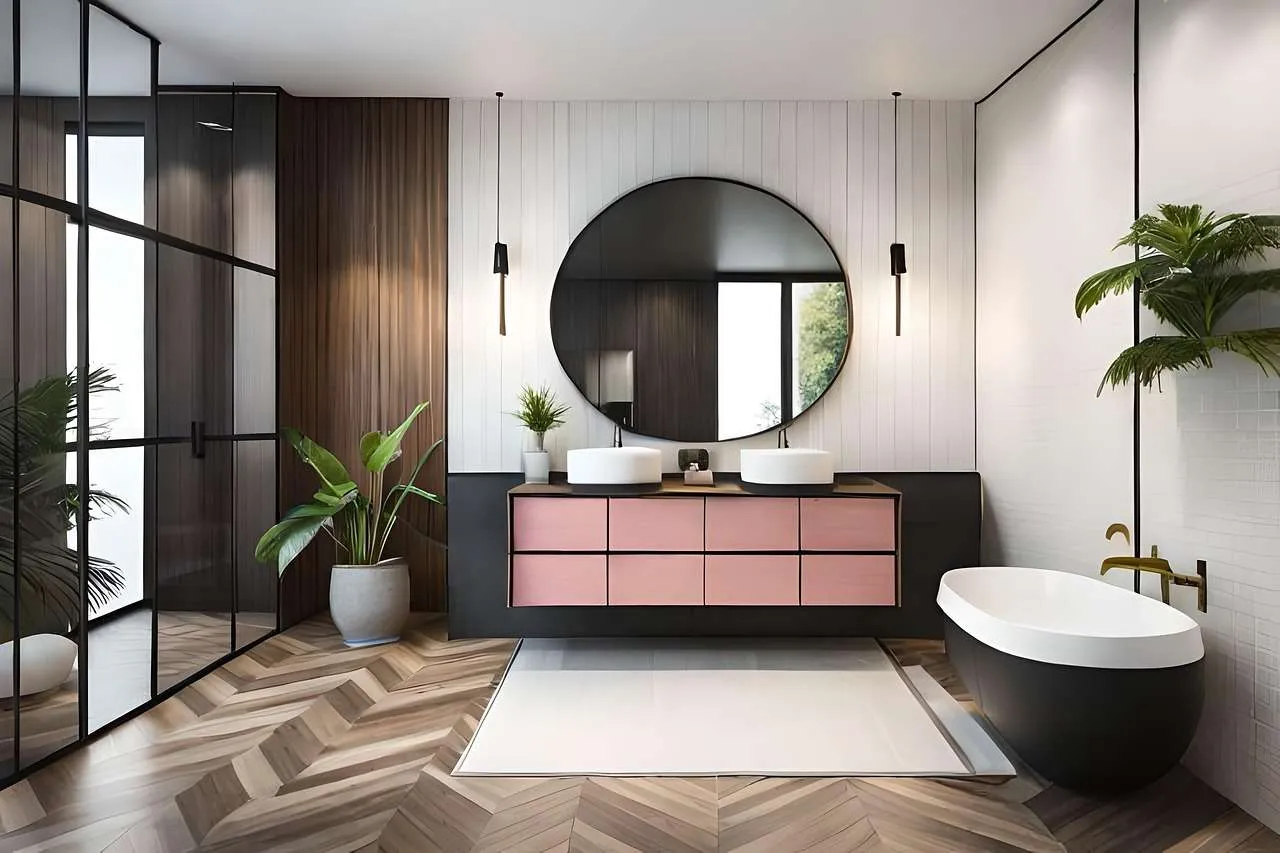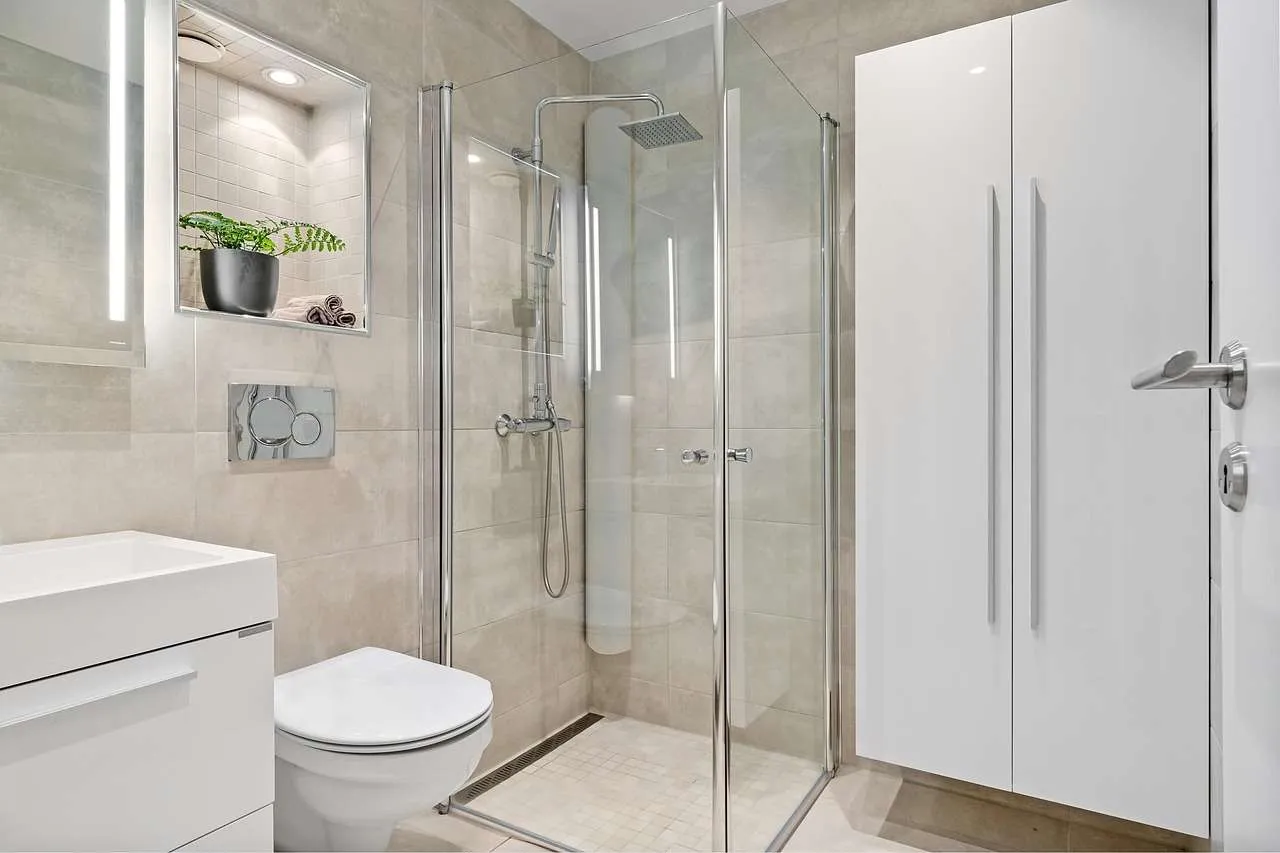
In any bathroom, accessories are not just details but essential design elements that improve usability and elevate style. This guide provides practical insight into selecting bathroom accessories with an emphasis on quality, durability, and timeless appeal—key factors for EEAT: Experience, Expertise, Authority, and Trust.
What are bathroom accessories?
Bathroom accessories include items that organize, protect, and decorate the space. Common pieces are towel bars, toilet paper holders, soap dispensers, toothbrush holders, vanity trays, shower caddies, mirrors, hooks, and bath mats. Together they create a cohesive routine and protect surfaces from moisture while adding finish and texture to the room.
Essential categories
- Towel bars and hooks
- Toilet paper holders
- Soap dispensers and toothbrush holders
- Shower caddies and corner shelves
- Vanity trays and storage jars
- Mirrors and lighting accessories
- Bath mats and rugs
Choosing bathroom accessories
To select the right pieces, consider space, existing fixtures, and maintenance. Start with a cohesive set of finishes; ensure pieces are moisture resistant and easy to clean. Material choices include stainless steel for durability, brass for warmth, ceramic for classic styling, and durable resin for affordable options. Common finishes are chrome, nickel, matte black, brushed brass, and oil rubbed bronze. For small bathrooms, choose compact items and wall mounted options to save space.
Materials and finishes
Each material has pros and cons. Stainless steel resists corrosion but shows water spots; brass offers luxury but requires care; ceramic provides timeless look and easy cleaning; resin and high quality plastics are budget friendly and resistant to humidity. Finishes influence style and maintenance: chrome is bright and versatile; nickel offers warm undertones; matte black or brushed brass create contemporary or vintage vibes. Pair finishes with hardware on taps and fixtures to ensure harmony.
Maintenance and care
Clean regularly with mild soap and water. Avoid abrasive cleaners that can scratch metal or ceramic. Dry surfaces after use to prevent water spots and corrosion. Check mounting hardware periodically and replace worn grips or seals. Use non abrasive cloths and follow manufacturer guidance for warranty; with proper care bathroom accessories can last many years.
Material and finish comparison
| Material | Pros | Cons | Best For |
|---|---|---|---|
| Stainless steel | Durable, corrosion resistant | Can show water spots | High traffic bathrooms |
| Brass | Warm tone, durable | Can patina; maintenance | Classic or luxe baths |
| Ceramic | Timeless look, easy cleaning | Brittle if dropped | Vanity accessories, dispensers |
| Resin/Plastic | Affordable, moisture resistant | Perceived lower quality | Budget upgrades |
Styling ideas
Coordinate sets create cohesive spaces. Mix textures by pairing a metal finish with a ceramic tray or wooden accents. For modern homes, choose minimal silhouettes in matte finishes; for coastal themes, light tones and glass accents help reflect light; vintage spaces benefit from brass details and curved shapes.
Conclusion
Conclusion, thoughtful selection of bathroom accessories blends function with design to support daily routines while enhancing value and mood. Prioritize quality materials, moisture resistance, and finish harmony with taps and lighting. A well curated mix of towel storage, dispensers, mirrors, and mats can unify your bathroom style and improve usability for years to come.