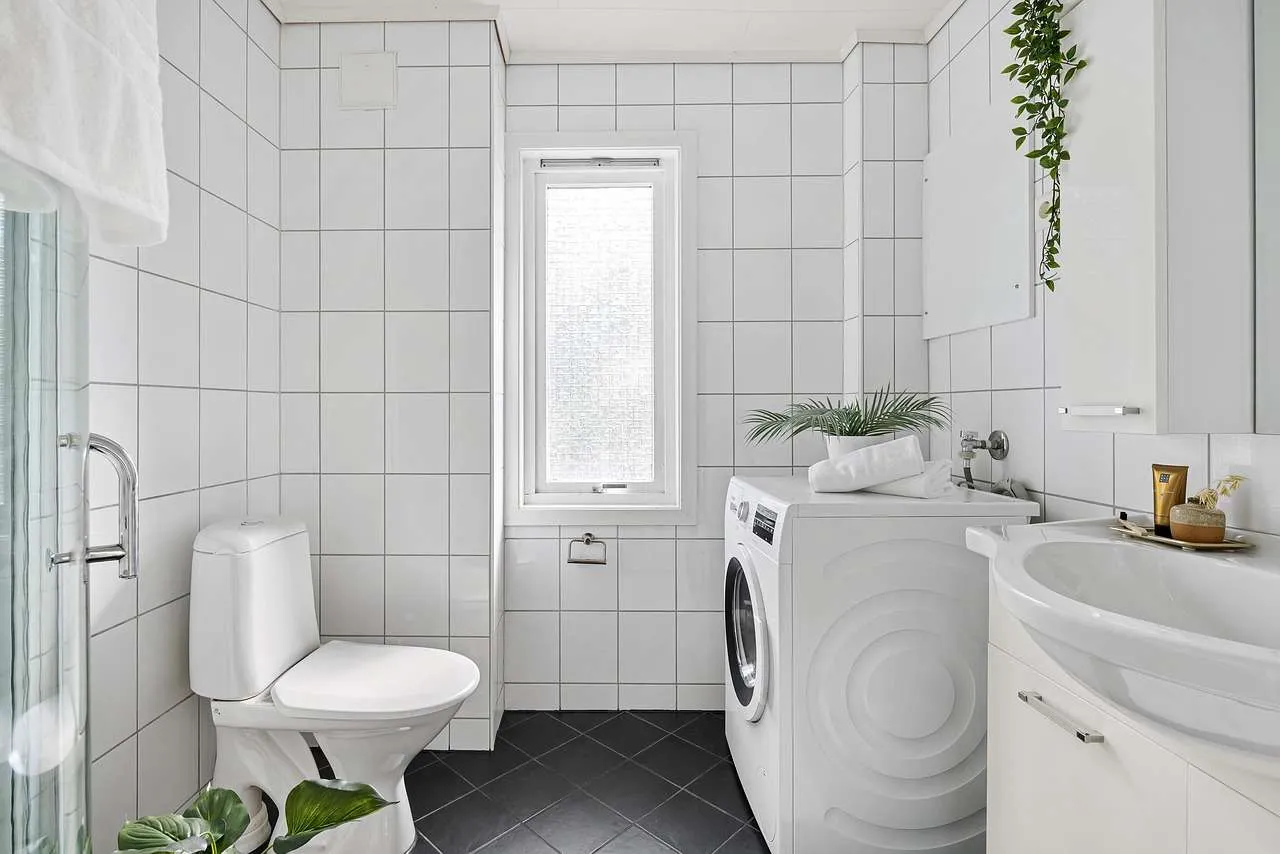
Bathroom tiles set the tone of a bathroom and protect surfaces from moisture. This guide covers the essentials of choosing, installing, and maintaining bathroom tiles, with practical tips from design and waterproofing best practices. Following these guidelines helps ensure durability, safety, and timeless style, while aligning with expert recommendations and trustworthy installation.
What are bathroom tiles?
Bathroom tiles are designed to withstand moisture, temperature changes, and daily wear. They come in a range of materials, sizes, textures, and finishes, enabling both practical performance and distinct aesthetics. The right choice balances moisture resistance, slip safety, and durability with your overall design goals and budget.
Popular materials for bathroom tiles
Porcelain tiles
Porcelain is a dense, low-absorption tile that performs exceptionally well in wet areas. It is suitable for floors and heavy-use walls, offering long life with minimal maintenance. While usually more expensive than ceramic, its durability and water resistance often justify the cost for bathrooms with high traffic or open showers.
Ceramic tiles
Ceramic tiles are a versatile, affordable option ideal for walls and light-traffic floors. They come in a wide array of colors and patterns. While not as hard-wearing as porcelain, high-quality ceramic tiles can still deliver years of service with proper grout maintenance and sealing when needed.
Natural stone tiles
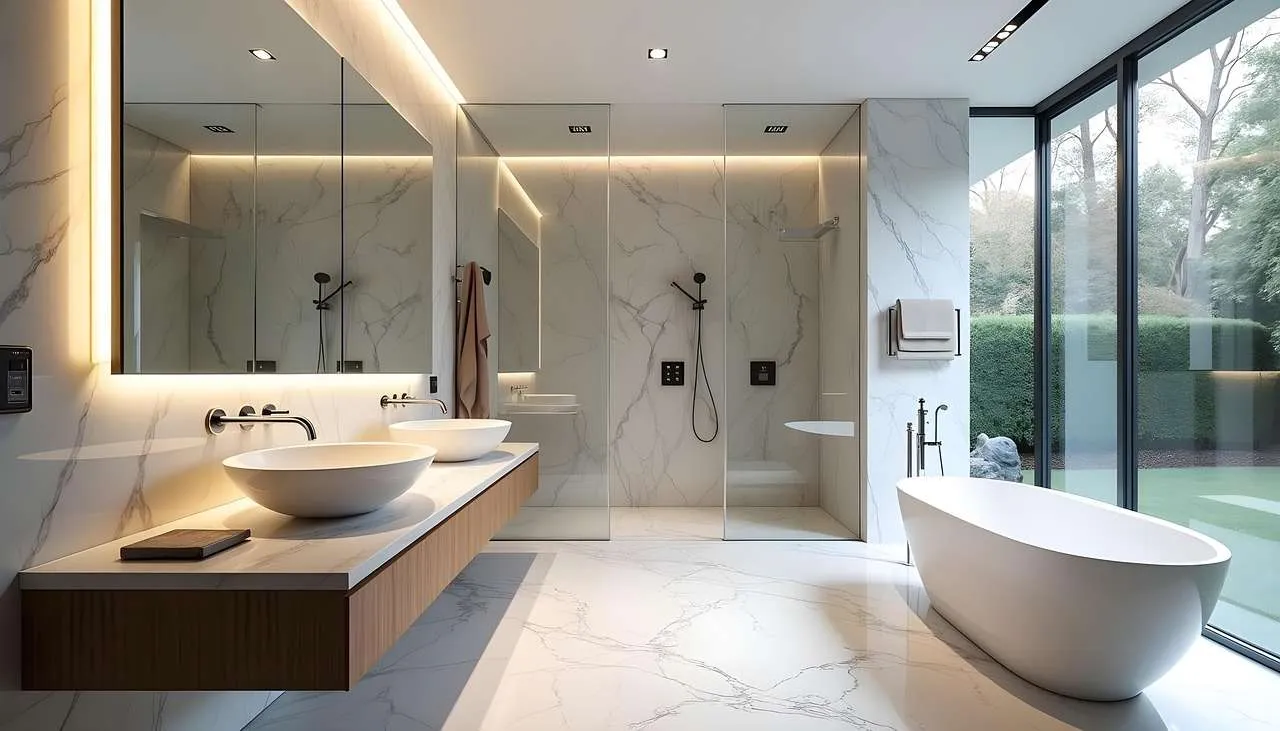
Natural stone such as marble, travertine, or slate adds a luxury appearance and unique veining. Stone requires surface sealing, periodic resealing, and careful maintenance to prevent staining and etching. It is best used as feature walls, shower surrounds, or accents rather than high-traffic wet floors in many designs.
Glass and decorative tiles
Glass tiles and decorative mosaics create reflective surfaces that brighten a space and pair well with lighter palettes. They’re popular for backsplashes and showers. Glass tiles show water spots and soap scum more readily, so regular cleaning is needed to retain their shine.
Choosing the right bathroom tiles
Selecting bathroom tiles involves evaluating moisture resistance, slip safety, layout, maintenance, and style. Following industry guidance and working with qualified professionals helps ensure you meet safety standards and achieve a lasting finish.
Moisture resistance and slip safety
For floors, prioritize tiles with low water absorption and a high slip-resistance rating. Look for indoor floor tiles with a good DCOF (Dynamic Coefficient of Friction) rating and slip-resistant textures. On walls, aesthetics and ease of cleaning can take precedence, though moisture resistance remains essential for long-term performance.
Size, layout, and installation
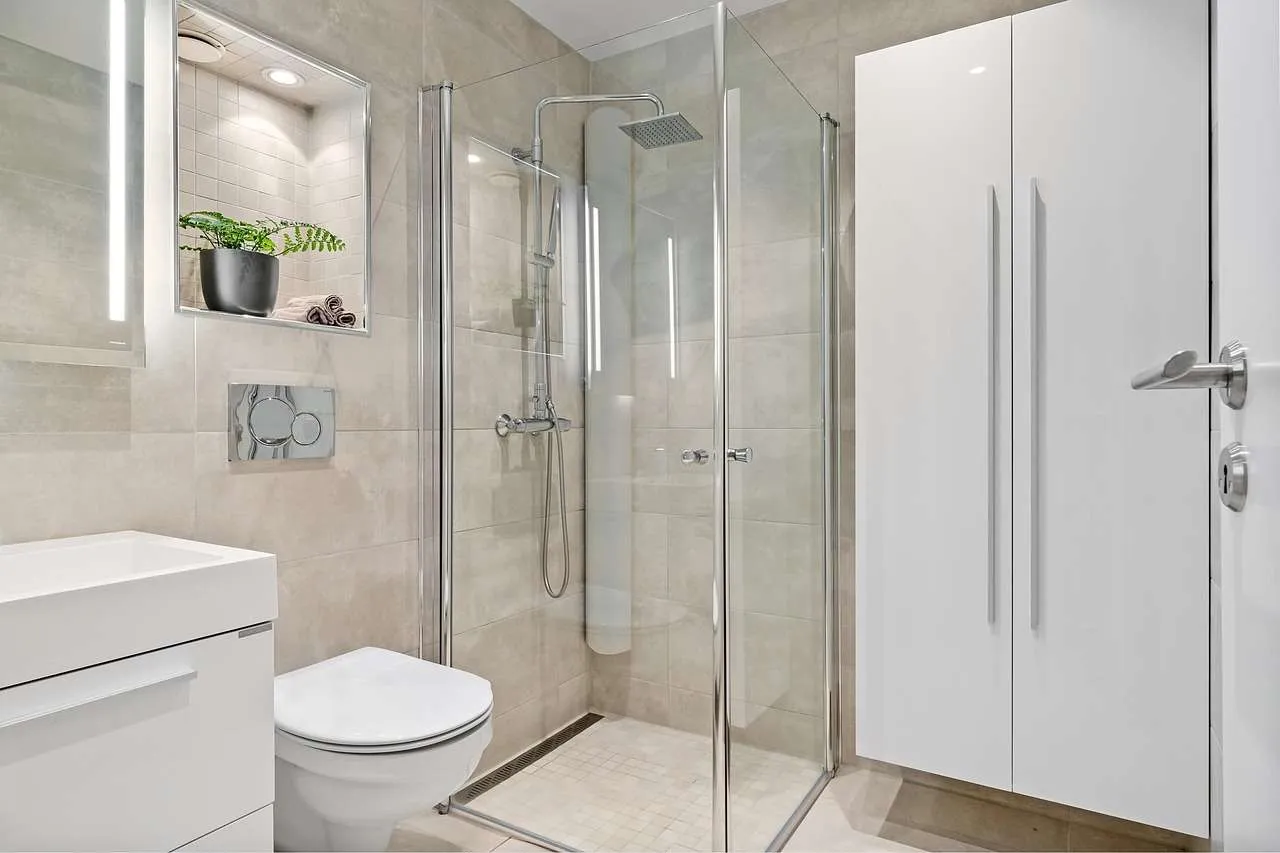
Large-format tiles can create a sleek, seamless look with fewer grout lines, which also reduces maintenance. For small bathrooms, lighter colors and larger tiles help visually expand the space. Professional installation is crucial for waterproofing in wet zones and to ensure correct substrate preparation, leveling, and grout application.
Style, color, and pattern
Tile color and texture influence mood and perceived space. Neutral tones provide timeless appeal, while bold patterns or glass accents can become focal points. Coordinate with cabinetry, countertops, and fixtures. If you plan a long-term renovation, choose tiles with a classic look that tolerates changing decor trends.
Maintenance, sealing, and cleaning
Maintenance varies by material. Natural stone requires sealing and periodic resealing, plus careful cleaning to avoid etching. Ceramic and porcelain tiles are typically easier to clean, with grout maintenance the main ongoing task. Use pH-balanced cleaners and avoid harsh bleaches on stone or delicate surfaces.
Tile patterns and layout ideas
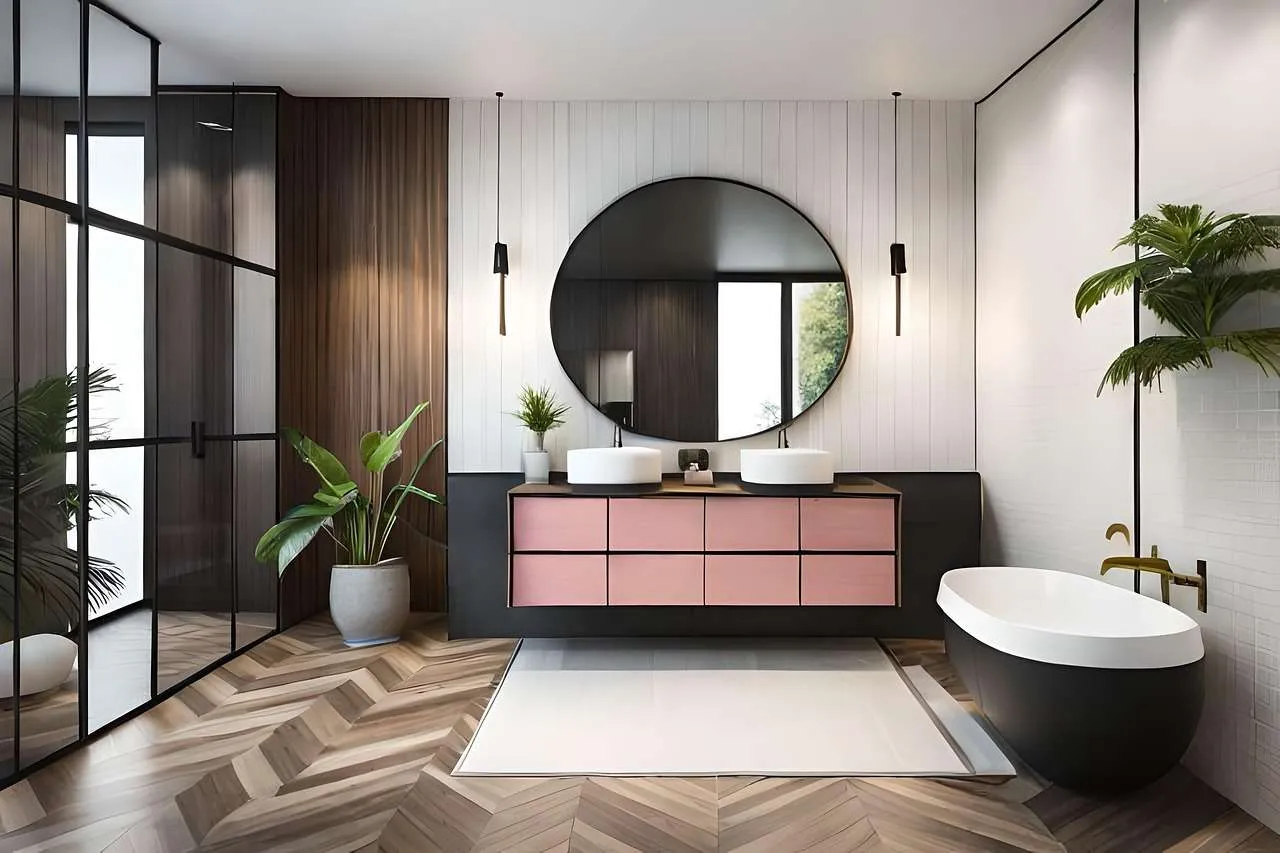
Pattern choices transform the bathroom experience. Subway tile arranged in a brick pattern never goes out of style, while herringbone or chevron layouts add architectural interest to walls. For showers, mosaics or small-format tiles provide slip resistance and flexibility around curves. Coordinate grout color with tile shade to create cohesive, refined looks. Consider running bond layouts on walls and grid patterns on floors for balanced aesthetics.
Tile type comparison
| Tile Type | Pros | Cons | Best Use | Maintenance |
|---|---|---|---|---|
| Ceramic tiles | Affordable, wide range of colors/textures | Less durable than porcelain; can chip | Walls, light-traffic floors | Easy to clean; grout may require sealing |
| Porcelain tiles | Very durable, low water absorption | Higher initial cost; can be harder to cut | Floors and wet areas | Low maintenance; sealing not always necessary |
| Natural stone tiles | Elegant, unique appearance | Porous; requires sealing; more maintenance | Showers, feature walls | Periodic sealing and grout care |
| Glass tiles | Reflective, brightens space; easy to clean | Water spots; can chip or crack | Backsplashes, accents, showers | Gentle cleaners; avoid harsh abrasives |
| Large-format tiles | Fewer grout lines; modern look | Requires precise substrate and professional install | Floors and walls with a seamless appearance | Professional installation; regular inspection of substrate |
EEAT: investing in expertise, authority, and trust
To ensure expert results, work with licensed installers who provide warranties and hold certifications from recognized industry bodies. Seek designers or tile specialists with a track record of bathroom projects, check customer reviews, and request before-and-after case studies. Verify product certifications (for example, water absorption and slip-resistance standards) and insist on proper waterproofing, moisture barriers, and reinforced substrate preparation. Transparent communication, clear timelines, and warranties build trust and reinforce the authoritative quality of the work.
Informed decisions come from combining product knowledge, practical experience, and professional installation. By prioritizing durability, safety, and maintenance planning, homeowners can achieve bathroom tiles installations that look great today and endure for years to come.
Summary: Choosing bathroom tiles involves balancing moisture resistance, durability, and style. Porcelain and ceramic tiles offer durable options for floors and walls, while natural stone adds luxury with proper sealing. Pattern choices and tile size influence space perception, and professional installation ensures waterproofing and longevity. Regular maintenance, sealing where required, and choosing reputable installers establish a high standard of quality and trust for your bathroom tile project.