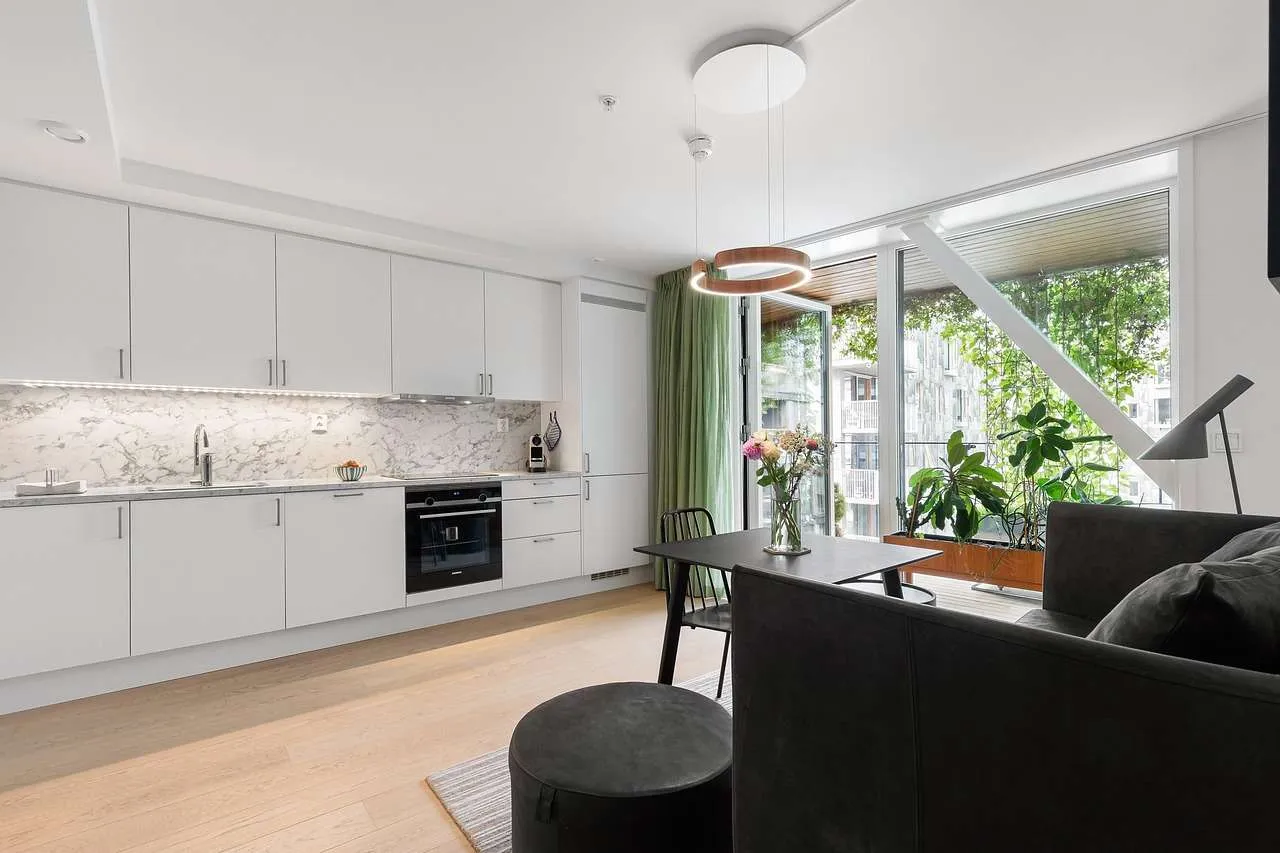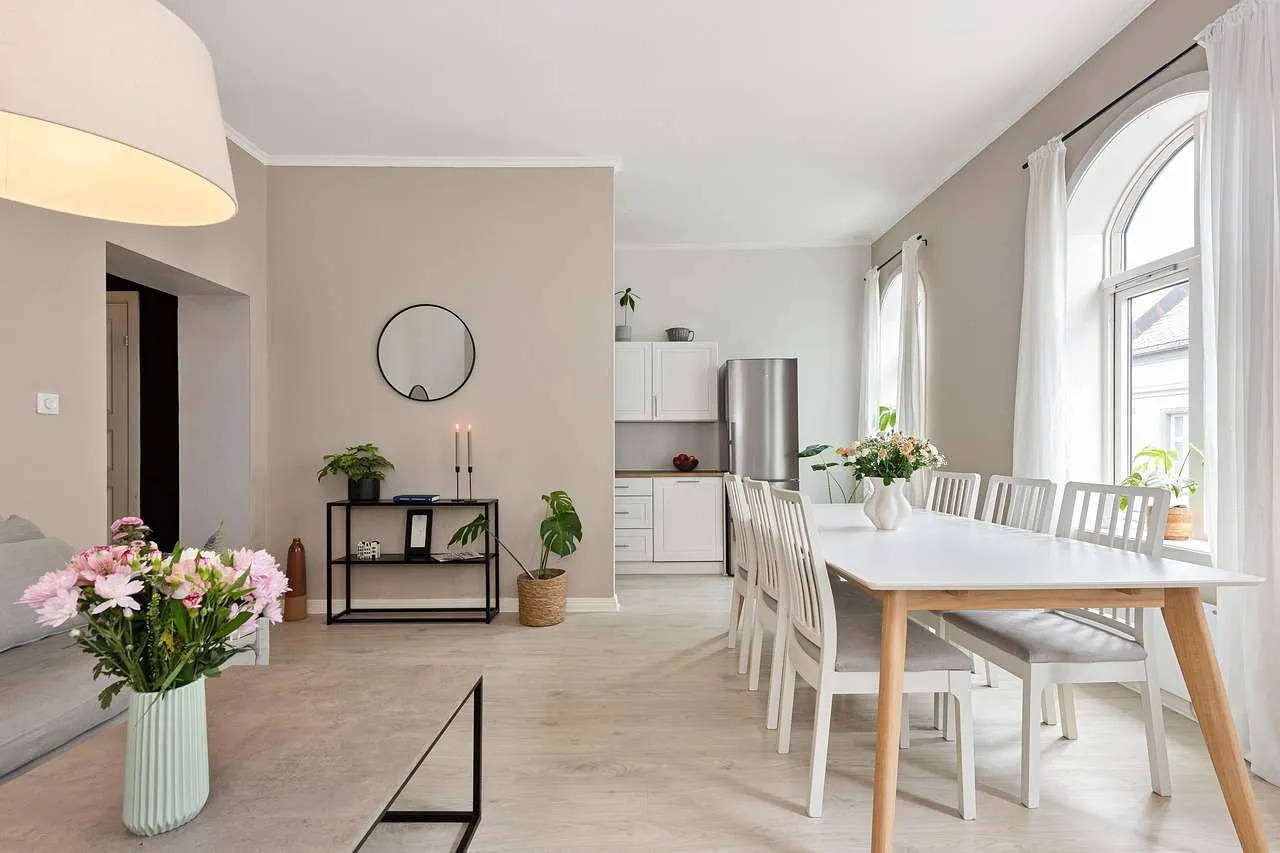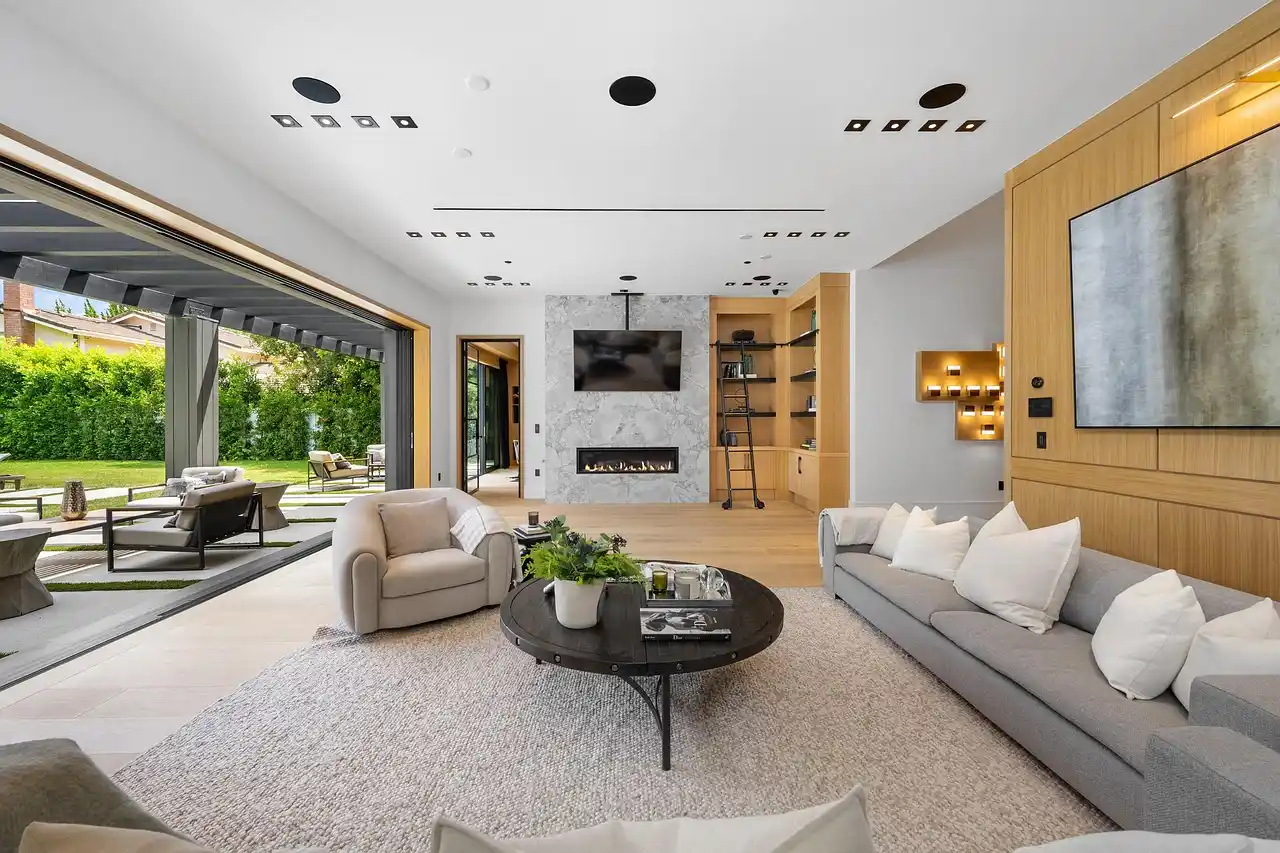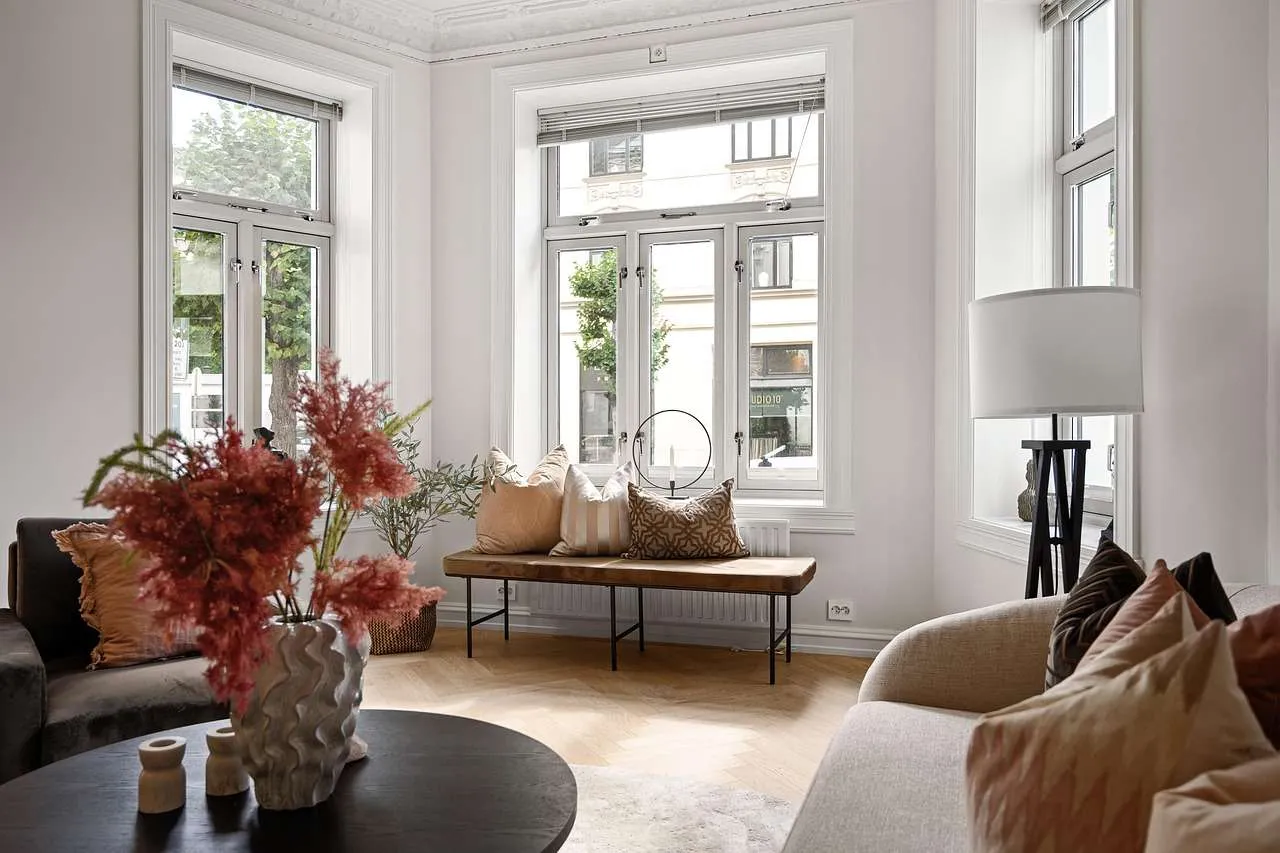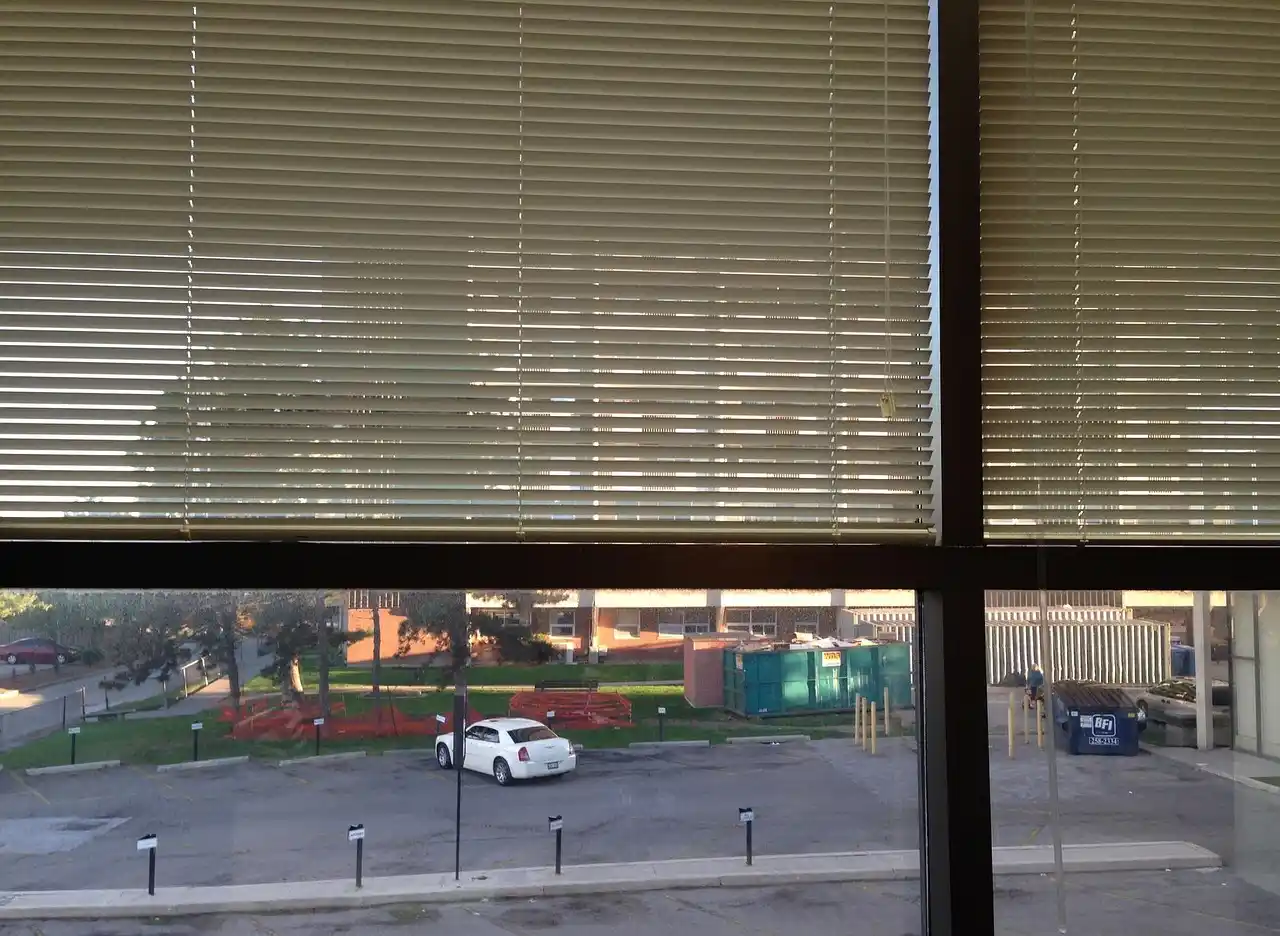
Recognizing the benefits of home window tinting helps homeowners decide if this upgrade is right for them and where to begin the search for a reputable provider near me.
Why search for home window tinting near me
Locating a local installer ensures faster service, easier warranty handling, and on-site support. Local shops are typically familiar with common local sun exposure, climate considerations, and window types used in your area. A nearby professional can offer on-site assessments, accurate quotes, and quicker follow-up visits if adjustments are needed. Choosing a nearby provider also reduces travel time for service calls and makes it easier to verify work through local referrals.
Types of window tint and what they mean for your home
Dyed window film
Dyed films are the most affordable option and offer a noticeable reduction in glare with a darker appearance. They block some infrared heat, but performance can fade over time, and they may not provide the strongest UV rejection.
Metalized film
Metalized films reflect heat and reduce solar gain, often improving privacy with a reflective look. They can interfere with electronic signals on some newer devices and may show a metallic finish that some homeowners do not prefer.
Ceramic film
Ceramic films deliver strong heat rejection, excellent UV protection, and maintain color fidelity. They are typically non-reflective and won’t interfere with electronics, making them a favorite for many homes.
Carbon or hybrid films
Carbon or hybrid films offer a balance between performance and aesthetics, with non-reflective appearance and good heat rejection. They tend to be more expensive than dyed films but are less prone to fading than dyed options.
Table: Tint types at a glance
| Tint Type | Heat Rejection | UV Rejection | Glare Reduction | Pros | Cons | Typical Cost |
|---|---|---|---|---|---|---|
| Dyed | Low to Medium | High | Moderate | Affordable; simple tint | Prone to fading; less durable | $2–$5 per sq ft |
| Metalized | High | Very High | High | Excellent heat control; durable | Potential electronics interference; reflective | $3–$7 per sq ft |
| Ceramic | Very High | Very High | Excellent | Best overall performance; non-reflective | Higher cost | $5–$12 per sq ft |
| Carbon/Hybrid | High | Very High | High | Non-reflective; durable | Moderate to high cost | $4–$10 per sq ft |
Note that actual performance depends on film quality, window type, and installation quality. Always request a specification sheet from the installer and verify the film density, UV rejection percentage, and warranty terms before purchasing.
What to look for in a local home window tinting professional
- Licensed and insured company with a physical address and clear contact information.
- Written warranty covering film performance and installation workmanship.
- A portfolio of residential projects and access to customer reviews.
- Transparent pricing with a detailed written estimate and film specifications.
- On-site assessment and a pre-installation inspection to confirm glass type and any special considerations.
Cost and return on investment
Home window tinting costs vary by square footage, film type, and whether you tint entry windows, large panes, or skylights. Typical home installations range from a few hundred to several thousand dollars. While premium ceramic or carbon films cost more up front, they often deliver greater energy savings, glare control, and UV protection that can reduce cooling costs over time and protect furnishings from fading.
How to find home window tinting near me
To locate reputable local providers, start with a targeted search and refine results by proximity, reviews, and credentials. Steps include:
- Search terms: "home window tinting near me" and "residential window tinting" in your city.
- Check business profiles, licenses, and insurance status.
- Review portfolios and request quotes from at least three installers.
- Ask for on-site demonstrations, color samples, and a written warranty.
- Read recent customer reviews and verify service areas and response times.
Frequently asked questions
- Will window tinting block valuables from fading?
- Do tint films affect home security or break-ins?
- How long does installation take?
All these factors impact user experience and the realistic timeline for completion. A well-chosen installer will explain how your climate, sun exposure, and window orientation influence the recommended film.
Conclusion, selecting the right home window tinting near me involves checking licenses and insurance, choosing the right film type, comparing warranties, and reading reviews. Get written estimates, confirm installation timelines, and review sample works. With diligent selection, you gain energy savings, UV protection, privacy, and a more comfortable living space.